Our Services
Tariff Solutions, LLC analyzes imported footwear and consumer softlines for the purpose of determining the tariff treatment and/or classification under the Harmonized Tariff Schedule (HTS) of the United States.
Precision Laboratory Analysis
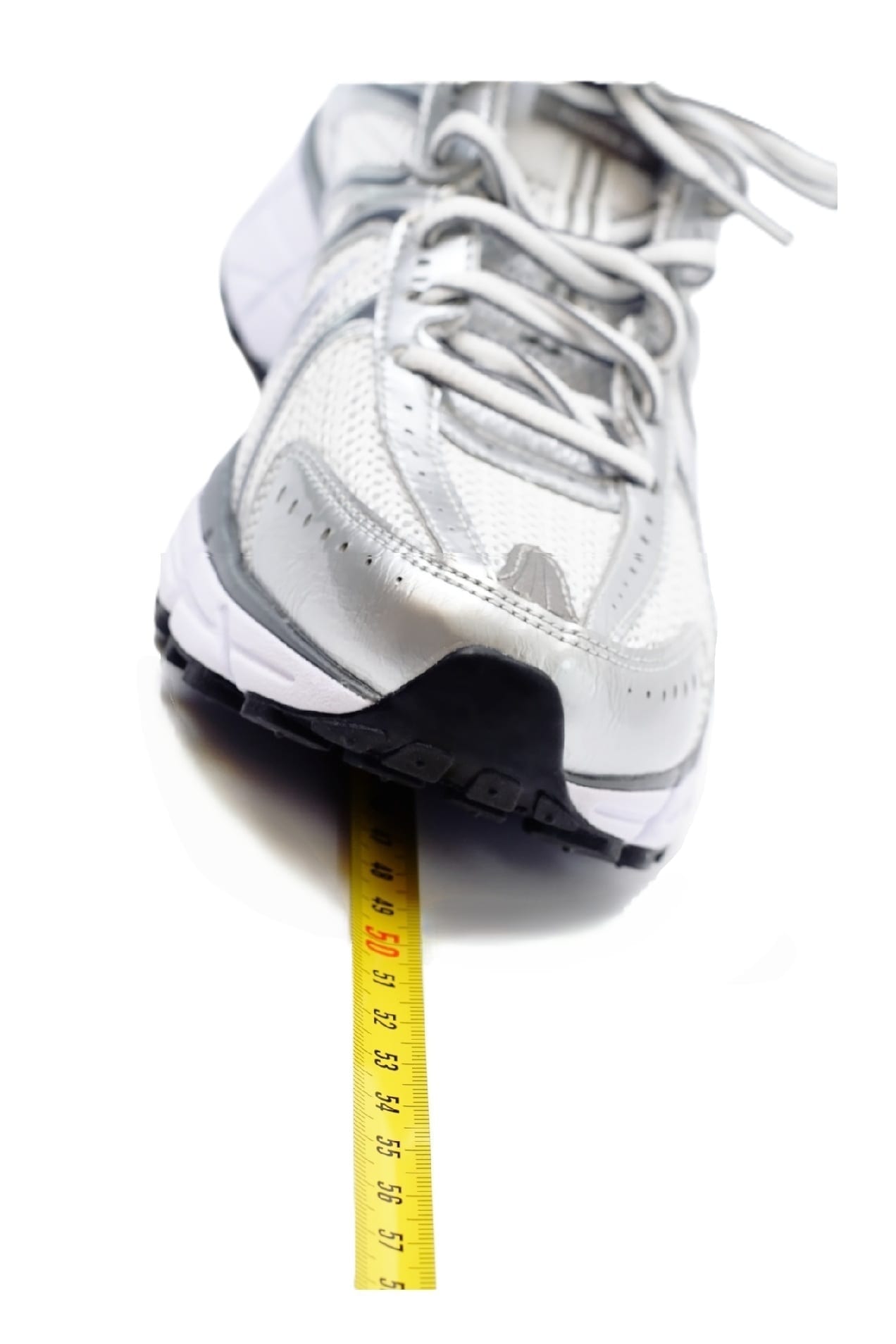
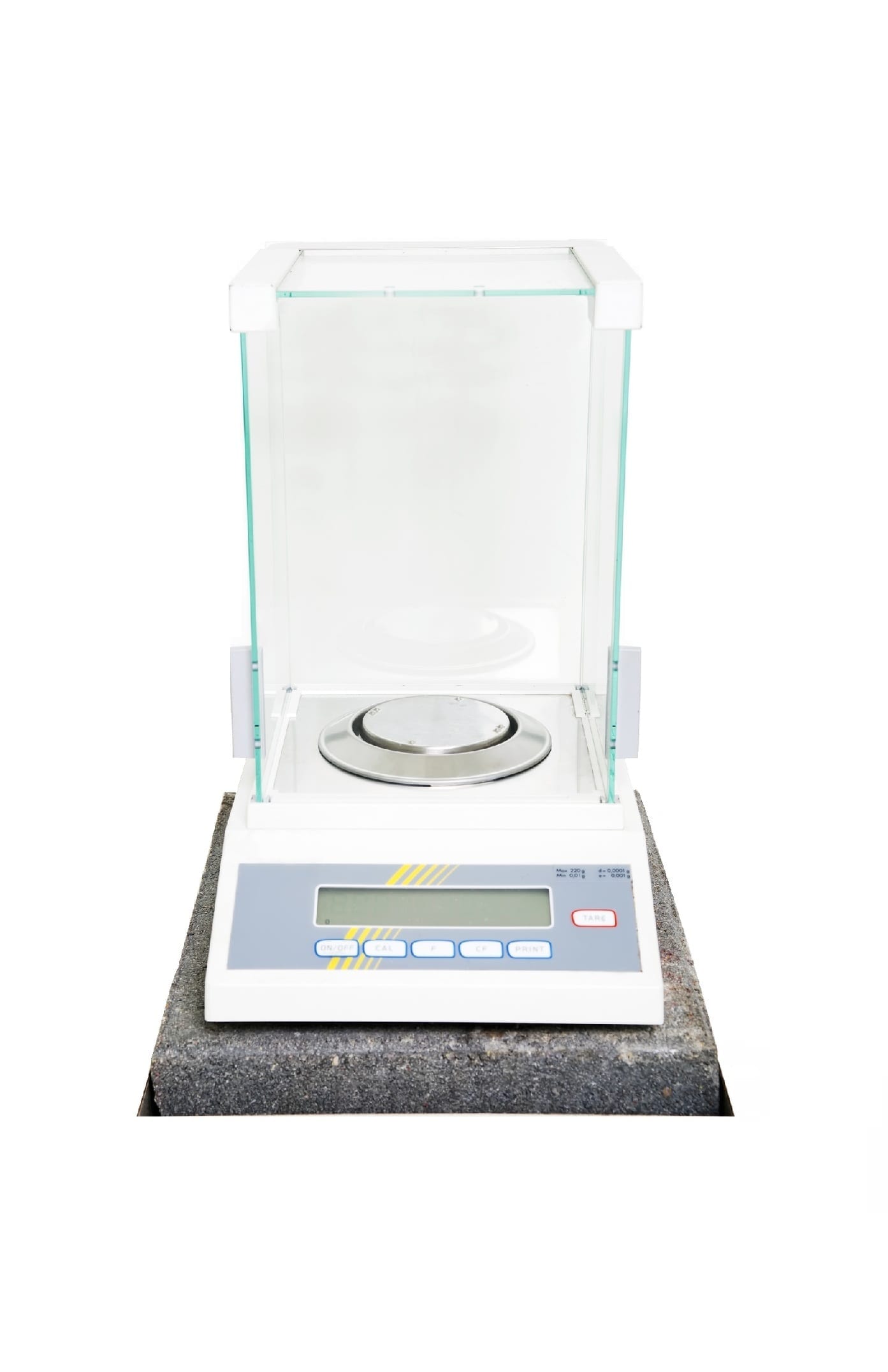
We follow published U.S. Customs and Border Protection (CBP) laboratory analysis methods and consensus-standard methods of analysis (e.g. ASTM, AATCC, ISO, etc.), as appropriate.

Qualitative Analysis
Non-quantitative evaluation of finished footwear, footwear components, articles of apparel, handbags, gloves, and other consumer articles to determine the treatment and/or classification in the HTS of the US. In situations where the footwear/article is still in the early stages of development, we offer a hypothetical HTS classification option where you provide us with the tariff relevant details and we determine for you where the final product will be classified.
Quantitative Analysis
• External Surface Area of the Upper (ESAU)
• External Surface Area of the Sole (ESAS)
• Foxing-Like Band (FLB)
• Percent Composition by Weight (PCW)
• Abrasion Resistance of Textile-Covered Outer Sole per ISO 20871
• Fiber Content of Textile Upper Material per CBP Lab Method 64-13 (AATCC 20A)

Tariff Engineering
Tariff engineering consultation is offered free of charge with analysis of a given sample. This means that if we find that your footwear/article is classified at a high rate of duty, then we will work with you to find ways to bring that duty rate down. Often, the difference between a high duty rate classification and a low duty rate classification is a minor construction detail that can be easily corrected. By testing with us, you unlock our tariff engineering services, and thus unlock significant savings opportunities.
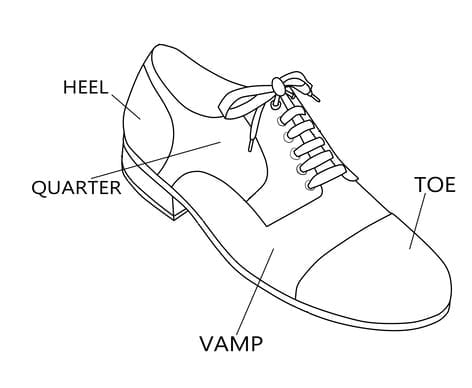
Annotated Diagram
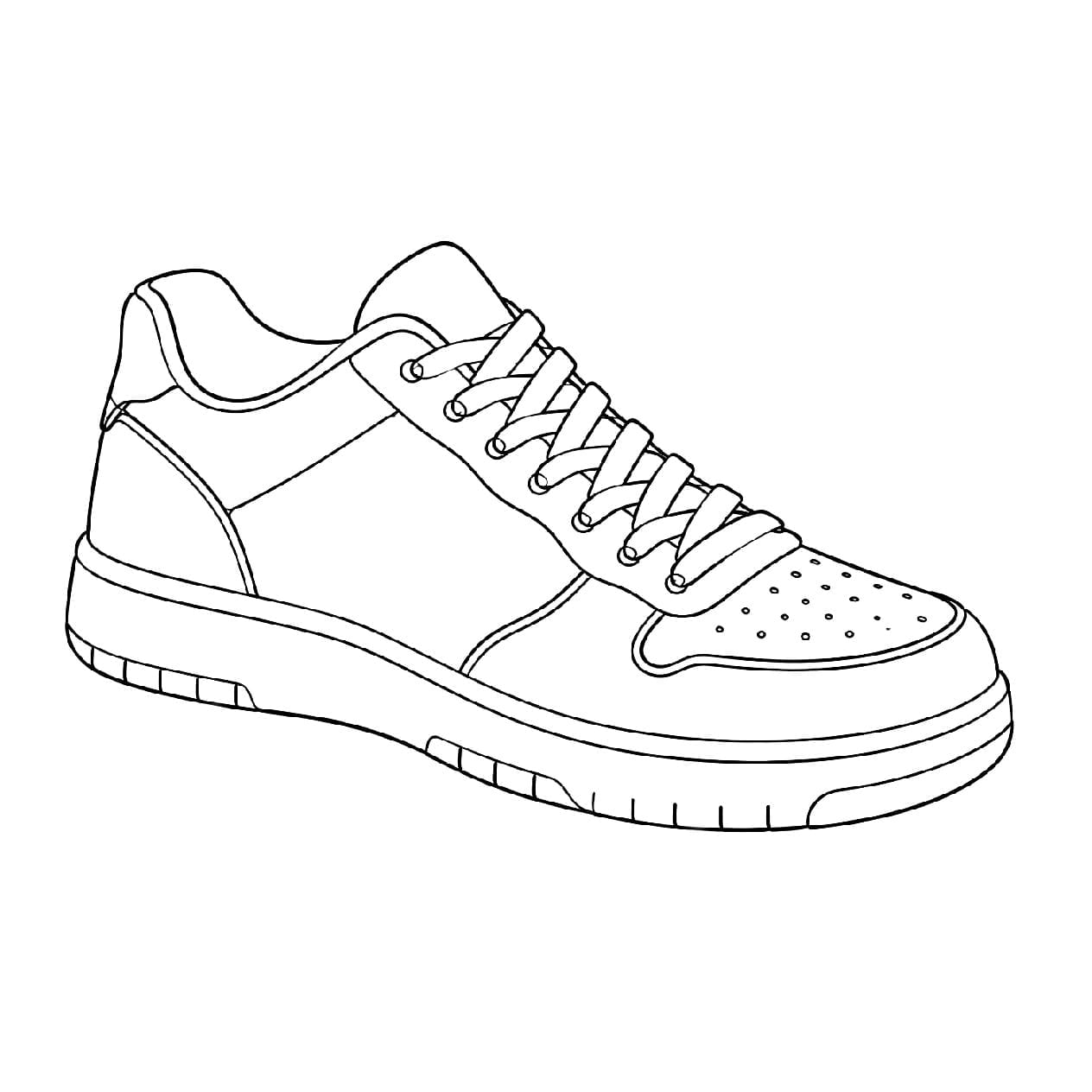
An annotated diagram is available with a quantitative ESAU analysis, quantitative ESAS analysis and/or quantitative FLB analysis, upon request. The diagram will provide a visual depiction of the analyzed footwear component and will be annotated to clearly display the relevant analysis data. An annotated diagram will allow you to see exactly where changes need to be made to your footwear design in order to achieve the desired HTS classification and rate of duty.